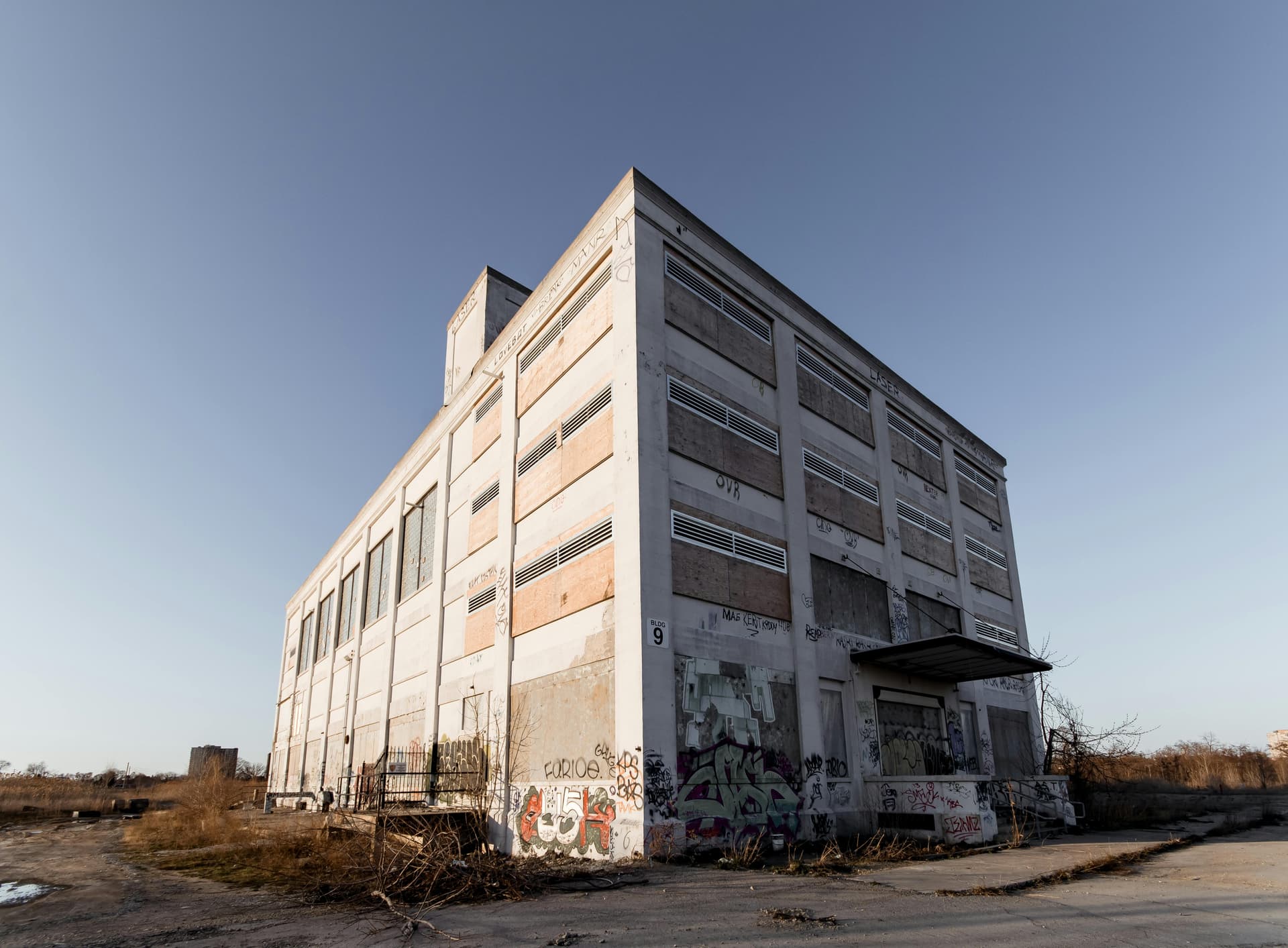
A vacancy clause changes coverage when a building meets the policy’s definition of vacant for longer than the stated period. Under the standard commercial-property language discussed here, vacancy for more than 60 consecutive days eliminates payment for six listed causes of loss and reduces payment for other covered causes by 15%.
Homeowners policies use a different structure. They do not apply the commercial 31% occupancy test or the commercial 15% reduction. Instead, standard homeowners language restricts particular losses, including vandalism and certain glass breakage, after the dwelling has been vacant for the stated period. Freezing provisions separately impose heat and water-supply precautions; under the HO-3 edition reviewed, those precautions are not limited to vacant dwellings.
The first task is therefore to identify the form. The definition, clock, affected causes of loss, construction exception, and any vacancy endorsement must all come from the issued policy and applicable state law.
The commercial vacancy definition
In ISO CP 00 10, the vacancy condition distinguishes a tenant’s interest from an owner’s or general lessee’s interest.
For a tenant, “building” means the unit or suite rented or leased to that tenant. The unit or suite is vacant when it does not contain enough business personal property for the tenant to conduct its customary operations.
For an owner or general lessee, “building” means the entire building. The standard provision states that the building is vacant unless at least 31% of its total square footage is:
“(i) Rented to a lessee or sub-lessee and used by the lessee or sub-lessee to conduct its customary operations; and/or (ii) Used by the building owner to conduct customary operations.”
Both parts matter. Leased space generally must also be used for the lessee’s customary operations. Space held under a lease but not used may not satisfy the provision. The denominator is total building square footage, not only rentable area, so hallways, lobbies, stairwells, mechanical rooms, and other common areas remain part of the total.
The 31% test does not apply to every property policy. Proprietary commercial forms may define vacancy through occupancy, contents, utilities, seasonal use, or a different percentage. The standard form also states that buildings under construction or renovation are not considered vacant.
Customary operations
The phrase focuses on actual use, not the presence of a few objects or occasional visits. In Keren Habinyon Hachudosh D’Rabeinu Yoel of Satmar BP v. Philadelphia Indemnity Insurance Co., 462 F. App’x 70 (2d Cir. 2012), a former school building was used mostly for storage and for an isolated meeting. The court held that those activities were not the customary operation of a school.
What happens after 60 days
Under the standard CP 00 10 condition, the consequence applies when the building where the loss occurs has been vacant for more than 60 consecutive days before the loss.
The form states that the insurer will not pay for loss or damage caused by:
- vandalism;
- sprinkler leakage, unless the system was protected against freezing;
- building glass breakage;
- water damage;
- theft; or
- attempted theft.
For other covered causes of loss, the form reduces the amount it would otherwise pay by 15%. That reduction is not a deductible and does not change an excluded loss into a covered one. The policy first determines what it would otherwise pay under the covered cause of loss, valuation provision, limits, deductible, and other terms; the vacancy condition then applies its reduction.
Does renewal restart the clock?
Not necessarily. In Pappas Enterprises, Inc. v. Commerce & Industry Insurance Co., 422 Mass. 80, 661 N.E.2d 658 (1996), the Massachusetts Supreme Judicial Court held that vacancy before a policy’s initial effective date was not counted under the statutory language at issue. But when substantially the same coverage renewed and the same vacancy continued, the prior policy period could be tacked onto the renewal period.
That holding should not be reduced to a nationwide rule that every renewal carries forward every prior vacancy day. The policy language, governing statute, continuity of coverage, ownership, and changes at renewal can affect the result.
Commercial calculation example
Assume a 50,000-square-foot strip mall has one tenant occupying and operating in 12,000 square feet. That is 24% of the building’s total square footage. The condition has continued for more than 60 consecutive days.
Water damage at 24% use
Water damage is one of the listed causes for which the standard condition can eliminate payment. Assuming the loss is caused by water damage within the policy’s meaning and no endorsement changes the result, the vacancy condition produces $0 payment.
Water damage at 32% use
Assume another tenant rents and uses 4,000 square feet for customary operations, bringing the total used space to 16,000 square feet:
16,000 ÷ 50,000 = 32%
The owner-side vacancy definition is no longer met. The vacancy condition does not restrict this loss, although every other policy provision still applies.
Windstorm at 24% use
Windstorm is not one of the six listed causes. If the policy would otherwise pay $200,000, the vacancy reduction is:
$200,000 × 15% = $30,000 reduction
$200,000 − $30,000 = $170,000
The same arithmetic does not apply if another limit, deductible, exclusion, or valuation condition changes the amount the policy would otherwise pay.
Homeowners and dwelling policies
The standard HO 00 03 does not use CP 00 10’s tenant definition, 31% test, six-cause list, or 15% reduction.
Its vandalism or malicious-mischief provision excludes loss caused by that peril—and, in the reviewed edition, ensuing loss caused by an intentional and wrongful act committed during the vandalism—when the dwelling has been vacant for more than 60 consecutive days immediately before the loss. The form also restricts certain glass breakage after the same period. A dwelling being constructed is not considered vacant under the reviewed language; newer editions and state endorsements may refer expressly to remodeling, renovation, or repair as well.
Freezing is addressed separately. Under the reviewed HO-3 language, coverage for freezing of specified systems generally depends on reasonable care to maintain heat or shutting off the water supply and draining the systems and appliances. That precaution applies whether or not the dwelling is vacant. The form adds a separate protection requirement for automatic fire-protective sprinkler systems, which may also require review of any protective safeguards endorsement. Vacancy and freezing therefore must be analyzed under their own provisions.
Homeowners forms often do not define “vacant.” Courts may look to ordinary meaning, the property’s contents and utilities, residential use, and the surrounding facts. That is different from CP 00 10’s defined commercial tests.
What Columbia Lloyds v. Mao decided
Columbia Lloyds Insurance Co. v. Mao, No. 02-10-00063-CV, 2011 WL 1103814 (Tex. App.—Fort Worth Mar. 24, 2011), involved a Texas dwelling policy that excluded fire, lightning, vandalism, and malicious mischief after 60 days of vacancy. The court found genuine issues of material fact about vacancy and remodeling and remanded the contract dispute.
The case did not establish a general rule that an insurer always bears the burden of proving vacancy under every homeowners policy. It is also an example of why a dwelling or proprietary form should not be described as though it were standard HO 00 03.
Construction and renovation
CP 00 10 states that buildings under construction or renovation are not considered vacant. The words are not defined in the standard condition, and courts have not adopted one universal activity threshold.
In The Farbman Group v. Travelers Indemnity Co., No. 03-74975, 2006 WL 2805646 (E.D. Mich. Sept. 28, 2006), removal of a covered walkway and restoration of the building exterior qualified as renovation under the language and facts at issue. The decision did not impose a general requirement that workers be on site every day or that permits always be issued.
By contrast, Sinjel, L.L.C. v. Ohio Casualty Insurance Co., No. 23-60546 (5th Cir. Aug. 16, 2024), involved a builder’s-risk provision that limited coverage for an existing vacant building unless permits were obtained and rehabilitation or renovation began within 60 days of policy inception. The insured admitted that neither had happened. The Fifth Circuit affirmed summary judgment for the insurer and rejected the insured’s waiver theory.
These cases involved different provisions. Useful evidence can include signed contracts, permits when required, invoices, photographs, schedules, material deliveries, inspections, and testimony describing work completed during the relevant period. The legal question remains whether those facts satisfy the actual policy language.
Arson, fire, and vandalism
The standard commercial vacancy condition lists vandalism among the causes for which payment is eliminated, but fire falls within the 15%-reduction tier if it is otherwise covered. An intentionally set fire creates a classification question: is the loss caused by fire, vandalism, or both under the policy and governing law?
In Abudayya v. Country Mutual Insurance Co., No. 2023-LA-10 (Ill. Cir. Ct. Oct. 1, 2024), an Illinois trial court found the term “vandalism” ambiguous in the context of a policy that treated fire and vandalism as separate covered causes. Construing that policy against the insurer, the court held that the arson loss remained covered subject to the 15% vacancy reduction.
Assume a $500,000 fire loss and no other payment constraint. A 15% reduction would produce:
$500,000 × 85% = $425,000
If the loss instead fell entirely within an excluded vandalism cause, the vacancy condition would produce no payment. The $425,000 difference explains why classification matters, but Abudayya is a state trial-court order interpreting one policy. It should not be presented as a nationwide rule that every arson loss is fire rather than vandalism.
Vacancy endorsements
ISO CP 04 50, Vacancy Permit, suspends the vacancy loss condition for the premises, building, and permit period shown in its schedule or the declarations. The schedule can identify vandalism and sprinkler leakage as excepted causes, in which case the permit does not apply to those causes.
The form itself does not say that a permit must always be issued before the first 60 days of vacancy have elapsed. The insurer must agree to issue the endorsement, and its effective period—not a general retroactivity assumption—controls the loss.
ISO CP 04 60, Vacancy Changes, serves a different purpose: it can replace the standard 31% owner/general-lessee threshold with the percentage shown in the schedule. A proprietary policy may offer another solution or require a policy designed for vacant property.
Review the endorsement’s form number, schedule, premises and building numbers, effective dates, permit period, altered percentage, and excepted causes. The title “Vacancy Permit” does not by itself establish the coverage granted.
Evidence and timing
Vacancy often turns on a timeline rather than one inspection-day snapshot. Relevant records may include:
- leases, amendments, surrender agreements, and rent records;
- floor plans and total-square-footage calculations;
- the dates each tenant stopped and resumed customary operations;
- business personal property remaining in a tenant’s unit;
- utility, access-control, alarm, and security records;
- photographs, inspections, and property-management logs;
- construction contracts, permits, invoices, and progress records; and
- the original policy, renewal policies, and vacancy endorsements.
Start with the date of loss and work backward through the consecutive-day period stated in the policy. For an owner-side CP 00 10 analysis, calculate the percentage for each material change in use rather than relying on the occupancy figure reported at renewal.
FAQ
Does furniture prevent a building from being vacant?
Not necessarily. Under CP 00 10, an owner’s building must satisfy the rented-and-used or owner-use test. For a tenant, the question is whether enough business personal property remains to conduct customary operations. A homeowners form may use a different test or leave “vacant” undefined.
Does a seasonal closure automatically make a building vacant?
No automatic rule applies. Analyze customary operations, the length and nature of the closure, the insurer’s knowledge, the specific definition, and any seasonal or vacancy endorsement.
Does renewal reset the 60-day period?
Not automatically. Pappas allowed tacking across a substantially unchanged renewal but treated vacancy before the initial policy differently. Other language and law may produce another result.
Is every fire loss on a commercially vacant building payable at 85%?
No. The cause must otherwise be covered, and exclusions, limits, valuation, deductible, prior payments, protective-safeguard provisions, and other conditions still apply. Intentional fire may also create a vandalism-classification dispute.
Does planned renovation prevent vacancy?
Planning alone may not satisfy language requiring a building to be under construction or renovation. The analysis depends on work actually performed and the wording of the policy.
What does a vacancy permit cover?
CP 04 50 suspends the vacancy condition for the scheduled building and permit period, except for vandalism or sprinkler leakage if the schedule designates either as an excepted cause.
For Policyholder Representatives
At intake, build a dated occupancy and use history for the full policy period and at least the stated vacancy period before loss. Separate owner and tenant interests, identify the part of the building relevant to each insured, and calculate total building square footage from reliable records.
Do not frame the issue only as “occupied” versus “empty.” The relevant facts are customary operations, business personal property, percentage of total space rented and used, construction or renovation activity, the duration of each condition, and the classified cause of loss. If the insurer relies on a proprietary definition, a cross-policy renewal period, arson classification, waiver, estoppel, or an ambiguous construction exception, involve coverage counsel.
Claim Intake Checklist for Policyholder Representatives
| # | Question | Why it matters |
|---|---|---|
| 1 | Which form, edition, and state endorsements control? | Commercial, homeowners, dwelling, builder’s-risk, and proprietary forms differ. |
| 2 | Is the policy issued to a tenant, owner, or general lessee for the affected property? | CP 00 10 uses different tenant and owner/general-lessee tests. |
| 3 | What was the building’s total square footage? | The standard owner-side denominator includes the entire building. |
| 4 | Which spaces were both rented and used for customary operations? | A lease without actual customary use may not count. |
| 5 | What business personal property remained in the tenant’s unit? | Tenant-side vacancy turns on whether enough remained to conduct operations. |
| 6 | Did the relevant condition continue for more than the stated number of consecutive days? | The timeline must be measured backward from the loss under the actual wording. |
| 7 | Was the building under construction, remodeling, renovation, or repair? | The wording and evidence determine whether an exception applies. |
| 8 | Is CP 04 50, CP 04 60, or another vacancy endorsement attached? | The schedule may change the period, percentage, premises, or affected causes. |
| 9 | Which cause or causes produced the damage? | The standard commercial form separates six no-payment causes from the 15% tier. |
| 10 | Can the insurer’s percentage and timeline be reproduced from the record? | Floor plans, leases, operations dates, and common areas should support the calculation. |
| 11 | Do freezing precautions or protective-safeguards conditions apply separately? | Those provisions can impose duties that do not depend on whether the vacancy condition applies. |
| 12 | Does the dispute require coverage counsel? | Arson classification, policy interpretation, renewal tacking, and waiver are legal issues. |
Vacancy clauses and Frontera
Frontera’s Coverage Analysis can help locate the vacancy definition, affected causes of loss, time period, construction language, and related endorsements and link the findings to source policy pages. The review should also include freezing, protective-safeguards, valuation, limit, and deductible provisions where relevant.
Frontera’s Estimating tools can organize the scope and amount of a covered loss. They do not determine whether sporadic activity constitutes customary operations, whether renovation satisfies a policy exception, or whether state law changes the effect of the clause.
References
- ISO CP 00 10, Building and Personal Property Coverage Form — Vacancy condition
- ISO CP 04 50 07 88, Vacancy Permit
- ISO CP 04 60, Vacancy Changes
- ISO HO 00 03, Homeowners 3—Special Form
- Keren Habinyon Hachudosh D’Rabeinu Yoel of Satmar BP v. Philadelphia Indemnity Insurance Co., 462 F. App’x 70 (2d Cir. 2012)
- Pappas Enterprises, Inc. v. Commerce & Industry Insurance Co., 422 Mass. 80, 661 N.E.2d 658 (1996)
- Columbia Lloyds Insurance Co. v. Mao, No. 02-10-00063-CV, 2011 WL 1103814 (Tex. App.—Fort Worth Mar. 24, 2011)
- The Farbman Group v. Travelers Indemnity Co., No. 03-74975, 2006 WL 2805646 (E.D. Mich. Sept. 28, 2006)
- Abudayya v. Country Mutual Insurance Co., No. 2023-LA-10 (Ill. Cir. Ct. Oct. 1, 2024)
- Sinjel, L.L.C. v. Ohio Casualty Insurance Co., No. 23-60546 (5th Cir. Aug. 16, 2024)
This article is for educational purposes and does not constitute legal advice. Consult coverage counsel on specific claims and disputed policy interpretations.